Bezzera Arcadia Espresso Machine Repair
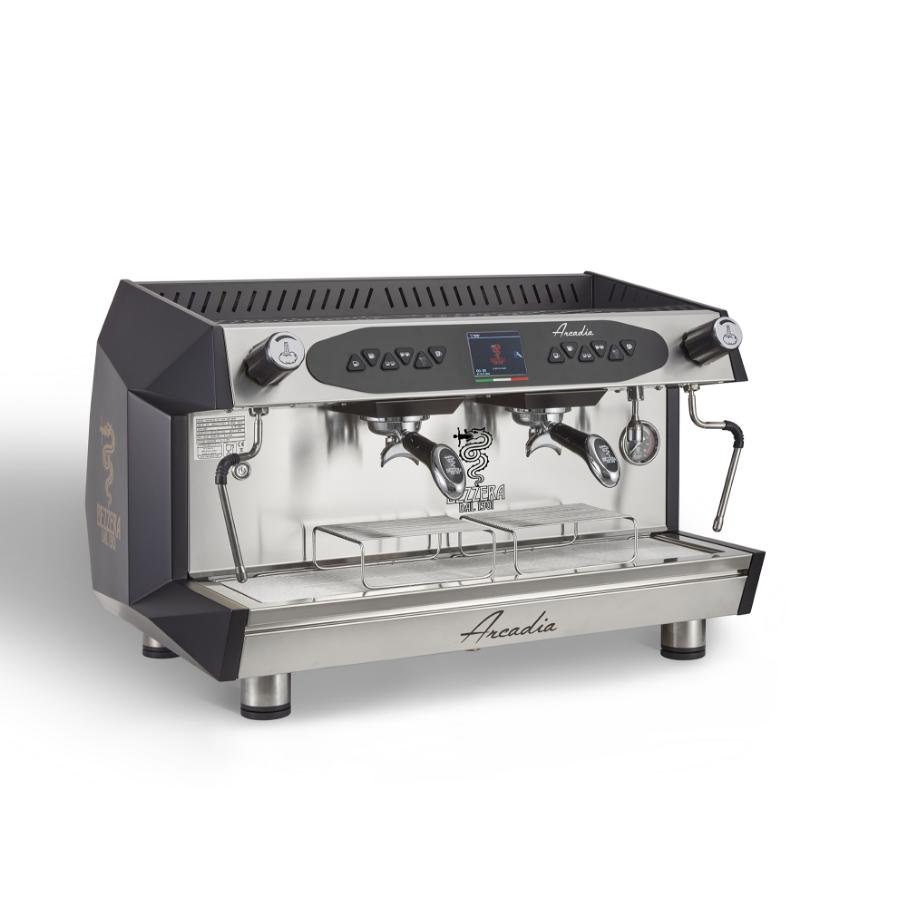
The Bezzera Arcadia is a flagship professional espresso machine that embodies the pinnacle of Italian engineering and innovation from Bezzera, a brand established in 1901. Renowned for blending traditional craftsmanship with cutting-edge technology, the Arcadia series is designed for high-volume commercial environments and demanding baristas. It features advanced DE PID control systems, independent group temperature management, and customizable pressure profiling, allowing precise control over every extraction for optimal flavor profiles across different coffee blends.
Available in multi-group configurations with a large copper boiler and heat exchanger system, the Bezzera Arcadia supports volumetric dosing, pre-infusion, and even alternative brewing methods like drip coffee using the same group heads. Its robust stainless steel construction, quiet rotary pump, and ergonomic design make it ideal for busy cafes seeking reliability, consistency, and versatility. The machine’s electronics include intuitive TFT displays for monitoring and adjusting parameters, ensuring minimal downtime and maximum productivity.
At Coffee Tech Espresso Machine Repair, we provide expert servicing for the Bezzera Arcadia, addressing the complexities of its PID systems, independent group circuits, and advanced hydraulic components. Our technicians are trained on Bezzera’s latest technologies to maintain peak performance in these sophisticated machines.
Regular professional maintenance helps preserve the Arcadia’s precision temperature stability, pressure control, and overall durability. Trust our team to keep your Bezzera Arcadia operating at commercial excellence standards, minimizing operational interruptions and ensuring every shot meets the highest quality expectations.
Common Repair Issues
The Bezzera Arcadia, as a high-end professional machine with advanced electronics and multi-group design, may encounter issues related to its sophisticated control systems over time. PID controllers and group heaters can experience sensor drift or electronic faults, leading to temperature inconsistencies across groups. The TFT display and programming interfaces may also present connectivity or software-related glitches that affect dosing accuracy and user controls.
Hydraulic components such as the rotary pump, solenoids, and heat exchangers are subject to wear from continuous high-volume use. Scale accumulation in the copper boiler and lines can impact flow rates, pressure stability, and steam performance. Valves responsible for switching between brew paths and pre-infusion may develop sealing problems, resulting in leaks or inconsistent pressure delivery during extractions.
Group head assemblies, including gaskets, solenoids, and portafilter connections, endure frequent use and can suffer from wear that causes drips, poor seals, or restricted flow. Steam wands and hot water dispensers may also develop issues with valves or scale buildup, affecting milk texturing and overall workflow efficiency in busy service settings.
- PID and Temperature Control Issues: Sensor or heater malfunctions leading to inconsistent group temperatures.
- Rotary Pump and Pressure Problems: Reduced performance or irregularities in brew pressure and pre-infusion.
- Scale Buildup in Boiler and HX: Affecting flow, heating efficiency, and steam output.
- Group Head Seal and Solenoid Wear: Leaks, poor extraction, or dripping from frequent use.
- Volumetric Dosing and Electronics Faults: Inaccurate dosing or display/control malfunctions.