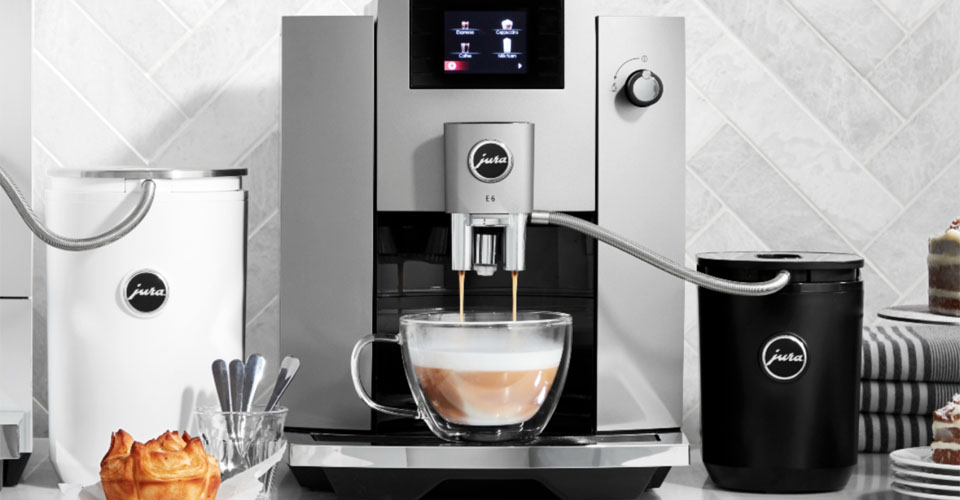
Jura Espresso Machine Repair Services
Jura espresso machines are sophisticated, fully automatic systems engineered for exceptional bean-to-cup performance, yet like any high-end equipment, they require specialized care when operational issues arise. Over time, owners may experience common technical complications such as inconsistent steam output, failure to reach optimal brewing temperatures, or persistent leaks from the internal fluid connectors and drainage valves. Electronic malfunctions, such as unresponsive touch displays, error codes on the screen, or erratic grinding and dosing cycles, can also disrupt your daily coffee service. When these performance disruptions occur, our technical team possesses the advanced diagnostic tools and specialized training required to precisely identify and resolve every one of these intricate mechanical and electronic failures, restoring your machine to its factory-spec performance.
Entrusting your Jura espresso machine to unqualified technicians can lead to prolonged downtime or further component damage to its delicate internal brewing modules. Our comprehensive repair services address all common wear-and-tear issues, including clogged hydraulic lines from scale buildup, worn-out gaskets, faulty thermoblock heating elements, and malfunctioning multi-way valves. We understand the precise calibration required to keep this specific automatic brewing platform and integrated grinding unit operating flawlessly. Rather than attempting a temporary fix, we deliver definitive, high-caliber repairs that address the root cause of the malfunction, ensuring your espresso machine consistently delivers the perfect extraction and microfoam you expect.
Common Jura Repair Issues We Fix
- Fluctuating boiler or thermoblock temperature
- Complete loss of steam or milk frothing pressure
- Error codes displayed on the digital screen (Error 1, Error 2, Error 5, etc.)
- Unresponsive touchscreen or control pad buttons
- Coffee grounds dumping directly into the tray without brewing
- Internal water leaks pooling beneath the chassis
- Slow, restricted, or entirely blocked coffee flow from the dispensing spouts
- Failure of the grinder to draw beans or process a full dose
- Loud, unusual grinding or straining noises during the brew cycle
- Tripping of the home or shop electrical breakers when powering on
Why Choose Coffee Tech Espresso Machine Repair
Choosing the right service provider for your Jura equipment is critical to safeguarding your investment. This specific line of automatic coffee centers blends professional-grade brewing technology with delicate electronic controls and automated fluid systems, demanding a technician who understands its unique internal layout and self-cleaning mechanisms. Coffee Tech Espresso Machine Repair brings years of specialized experience to the bench, combining deep technical knowledge with a commitment to precision craftsmanship. Based in Charlotte, NC, we proudly extend our premier repair services to specialty coffee shops, offices, and home baristas throughout Mecklenburg County, Huntersville, Pineville, Matthews, and Concord, ensuring the region has local access to elite espresso machine care.
We set ourselves apart by utilizing original OEM parts, maintaining rigorous testing protocols, and treating every machine with absolute meticulousness. We recognize that your coffee equipment is central to your daily routine or business operations, which is why we focus on thorough diagnostics and durable repairs rather than rushed, superficial fixes. Our reputation throughout Charlotte, NC and nearby communities like Gastonia, Rock Hill, and Mint Hill is built on transparency, technical expertise, and unmatched reliability. When you choose Coffee Tech Espresso Machine Repair, you are partnering with dedicated professionals who are as passionate about perfect espresso execution as you are.
Repair Services Offered
- Diagnostic Evaluation: We conduct a comprehensive system diagnostic on your Jura unit to isolate thermal, hydraulic, and electronic faults.
- Descaling & Hydraulic Cleansing: We perform a specialized chemical descaling process to clear calcium deposits from the internal thermoblocks, multi-way valves, and water lines.
- Brew Group Reconditioning: We completely clean, rebuild, and re-lubricate the internal automated brew group assembly, replacing worn-out piston seals and gaskets to stop internal leaks.
- Grinder Calibration & Burr Replacement: We test, clean, and calibrate the integrated grinder unit, replacing dull burrs to ensure correct particle sizing and proper dosing.
- Preventative Maintenance Overhaul: We replace critical high-wear components including internal hose connectors, O-rings, temperature sensors, and drainage valves to prevent future breakdowns.
Frequently Asked Questions
How do I know if my coffee grinder burrs need to be replaced or if the machine just needs a calibration?
Inconsistent particle size, excessive static, and a noticeably bitter or burnt taste in your espresso are primary indicators of worn burrs. If your grinder takes significantly longer than usual to process a standard dose, or if the grounds are coming out clumpy and hot, the burrs are likely dull. We can inspect the physical cutting edges and replace them to restore a uniform grind profile.
My commercial coffee brewer is filling up very slowly and the temperature keeps dropping. What is causing this?
Slow filling and temperature drops are typically caused by heavy scale accumulation inside the boiler or a malfunctioning water inlet valve. Scale acts as an insulator, preventing the heating elements from transferring heat efficiently to the water. Our technicians can perform a complete teardown to safely remove the scale and inspect the heating elements and valves for proper functionality.
What causes water to leak from underneath my espresso machine during the brewing cycle?
Leaks from the bottom of a machine usually stem from a blocked drain box, a ruptured silicon or braided hose, or a failing expansion valve. Over time, coffee grounds can clog the drain tray lines, causing water to back up and overflow into the machine’s base. It is crucial to have this inspected professionally to prevent water from contacting internal electrical components.
Why is my espresso machine failing to build adequate steam pressure even though it turns on?
A lack of steam pressure is commonly tied to a faulty pressurestat, a failed heating element, or a stuck anti-vacuum valve. If the safety switches trip or the pressure sensor fails to communicate with the control board, the machine will stop heating before reaching steam temperature. We can safely test the electrical continuity of these components to pinpoint and replace the defective part.
How often should commercial coffee equipment undergo professional preventative maintenance?
To prevent unexpected breakdowns and maintain flavor quality, high-volume equipment should receive a professional preventative maintenance service every 6 to 12 months. This schedule varies depending on your water quality and daily throughput. Regular replacement of seals, gaskets, and valves keeps the machinery running reliably and extends its overall lifespan.