
- Home
- Bezzera
Bezzera Espresso Machine Repair in Charlotte NC
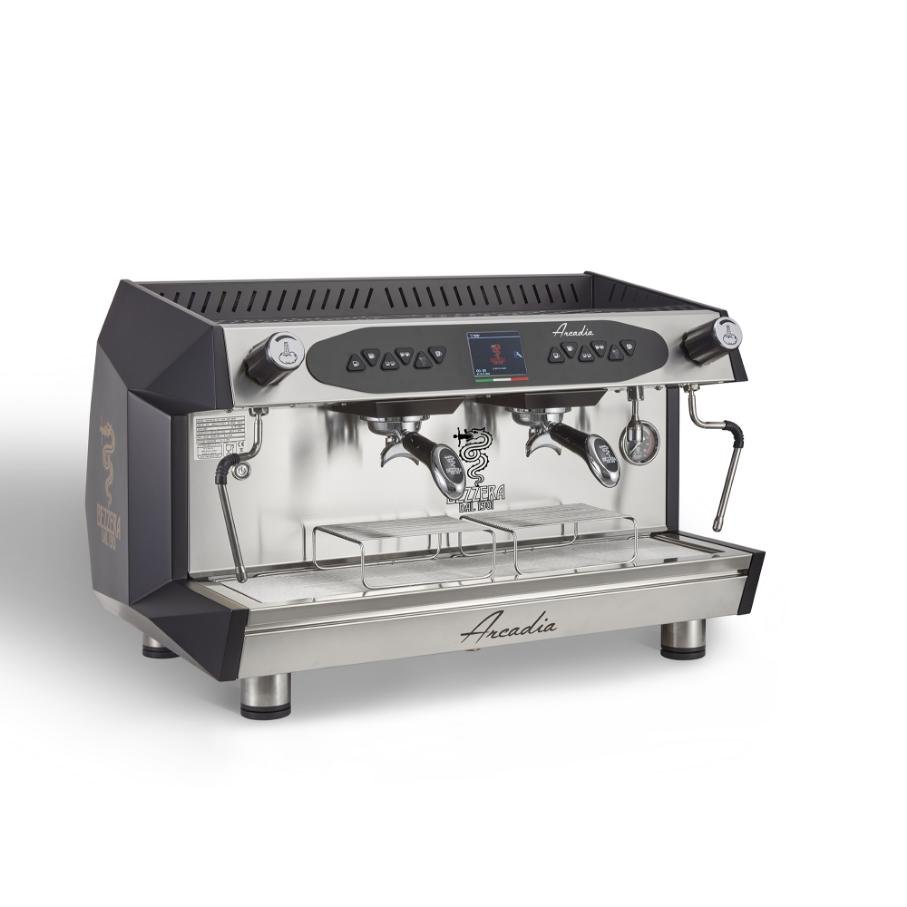
Bezzera Arcadia - Common Problems and Repairs
The Bezzera Arcadia is a premium dual-boiler espresso machine with PID control, available in manual and electronic dosing (DE) versions. It offers excellent build quality and performance for serious home users and small cafés, but like other high-end Italian machines, it has some recurring issues reported by owners.
- PID & Temperature Stability: Occasional temperature fluctuations or slow recovery on the brew boiler, especially when pulling multiple shots in quick succession.
- Electronic Dosing Inaccuracy (DE version): Programmed doses become inconsistent over time, often due to scaled flowmeter or solenoid valve issues.
- Group Head & Gasket Leaks: Water leaking around the group head or portafilter, commonly from worn group gaskets and shower screens.
- Steam Wand Performance: Strong initial steam but noticeable drop in pressure and quality after several milk drinks, with slow recovery.
- Level Probe & Auto-Fill Warnings: Frequent filling alarms or false low water notifications caused by scale on the level probe.
- Display & Electronics Glitches: 3.5” TFT display occasionally freezes, shows incorrect readings, or has backlight issues.
- OPV / Pressure Problems: Over-pressure valve not always perfectly calibrated from factory, sometimes requiring adjustment for optimal 9 bar brew pressure.
- Scale Sensitivity: The dual boiler system scales relatively quickly if water treatment is not strictly followed, affecting flow and temperature.
- Steam Boiler Pressure Instability: Slow pressure build-up or minor drops during extended steaming sessions.
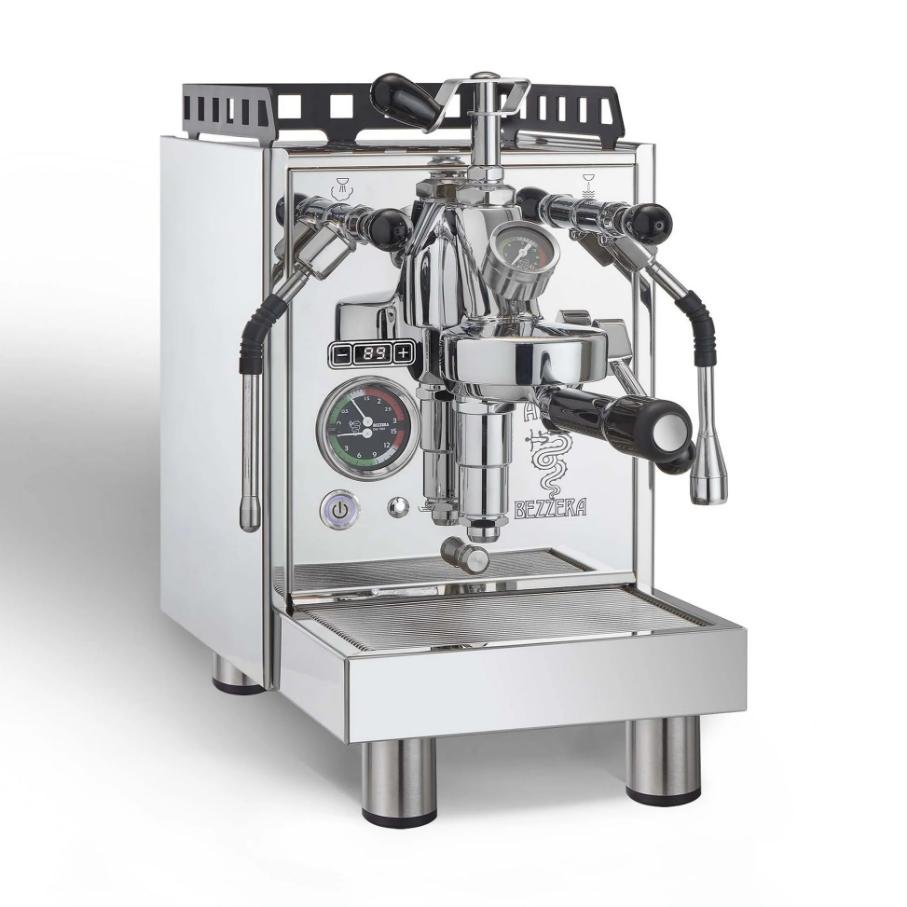
Bezzera Aria - Common Problems and Repairs
The Bezzera Aria is a compact, modern dual-boiler espresso machine with PID temperature control, rotary pump option, and a sleek stainless steel design. It is popular among home baristas for its performance and aesthetics, but it can develop certain recurring issues typical of compact dual-boiler machines.
- PID Temperature Drift: Brew boiler temperature can fluctuate or require frequent recalibration, especially after the machine has been on for several hours.
- Slow Steam Recovery: Steam pressure drops noticeably after 2–3 milk drinks and takes a long time to rebuild due to the relatively small steam boiler.
- Group Head Leaks: Water leaking from around the group head or portafilter seal, commonly caused by worn group gasket or shower screen.
- Rotary Pump Noise / Vibration: The rotary pump can become noisy or produce excessive vibration, especially if air enters the system or with scale buildup.
- Electronic Display Issues: Small digital display occasionally shows incorrect temperatures, freezes, or has dimming backlight problems.
- Level Probe & Filling Alarms: Frequent auto-fill warnings or false low water alerts due to scale accumulation on the level probe.
- Steam Wand Dripping: Persistent dripping from the steam wand after use, typically from worn O-rings or steam valve seals.
- OPV Pressure Inconsistency: Over-pressure valve can drift from ideal 9 bar, requiring manual adjustment for optimal extraction.
- Scale Buildup Sensitivity: The compact boilers scale up faster than larger machines if water treatment is not consistent, affecting flow and temperature stability.
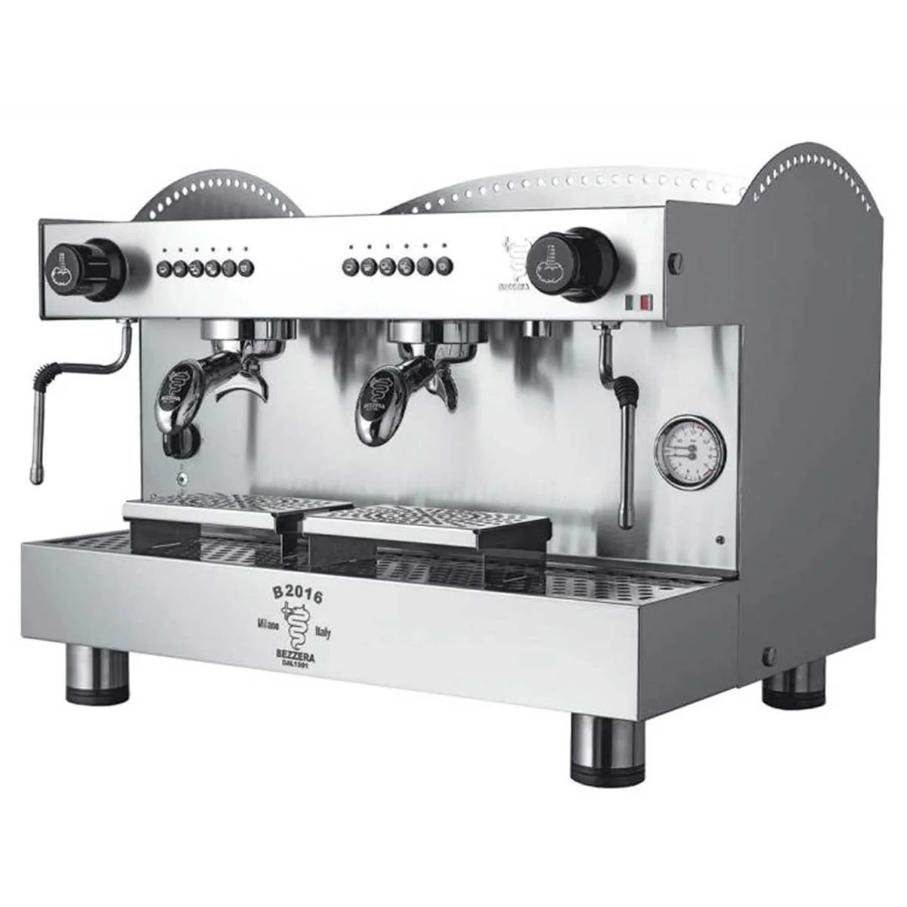
Bezzera B2016 - Common Problems and Repairs
The Bezzera B2016 is a traditional commercial semi-automatic espresso machine (available in 1, 2, or 3 group versions) with volumetric dosing and robust build quality, designed for small to medium cafés. While reliable and straightforward, it can develop typical issues common to Italian commercial heat-exchanger machines under daily use.
- Flashing Lights / Level Error: Continuous or rapid flashing on group buttons, usually caused by scaled boiler level probe, auto-fill solenoid failure, or water supply problems.
- Volumetric Dosing Inaccuracy: Shots run too long or too short, often due to scaled flowmeters, clogged group jets, or debris in the hydraulic circuit.
- Group Head & Gasket Leaks: Frequent leaking around the portafilter, typically from worn group gaskets and shower screens that need regular replacement.
- Steam Wand & Tap Leaks: Persistent dripping from steam/hot water taps caused by worn O-rings and valve seals under heavy use.
- Low or No Brew Pressure: Pump runs but weak or no flow from the group head, commonly from clogged shower screens, scale in the heat exchanger, or worn pump.
- Steam Nozzle Clogging: Steam wand nozzles easily block with milk residue, leading to poor steam output if not cleaned after each use.
- Slow Heat-Up & Recovery: Extended time to reach full pressure and temperature, especially noticeable in busy service with hard water scale buildup.
- Auto-Fill System Problems: Boiler overfills or fails to fill properly, resulting in water discharge from the safety valve or overflow issues.
- Button / Membrane Wear: Volumetric buttons become sticky or unresponsive after prolonged daily use in commercial environments.
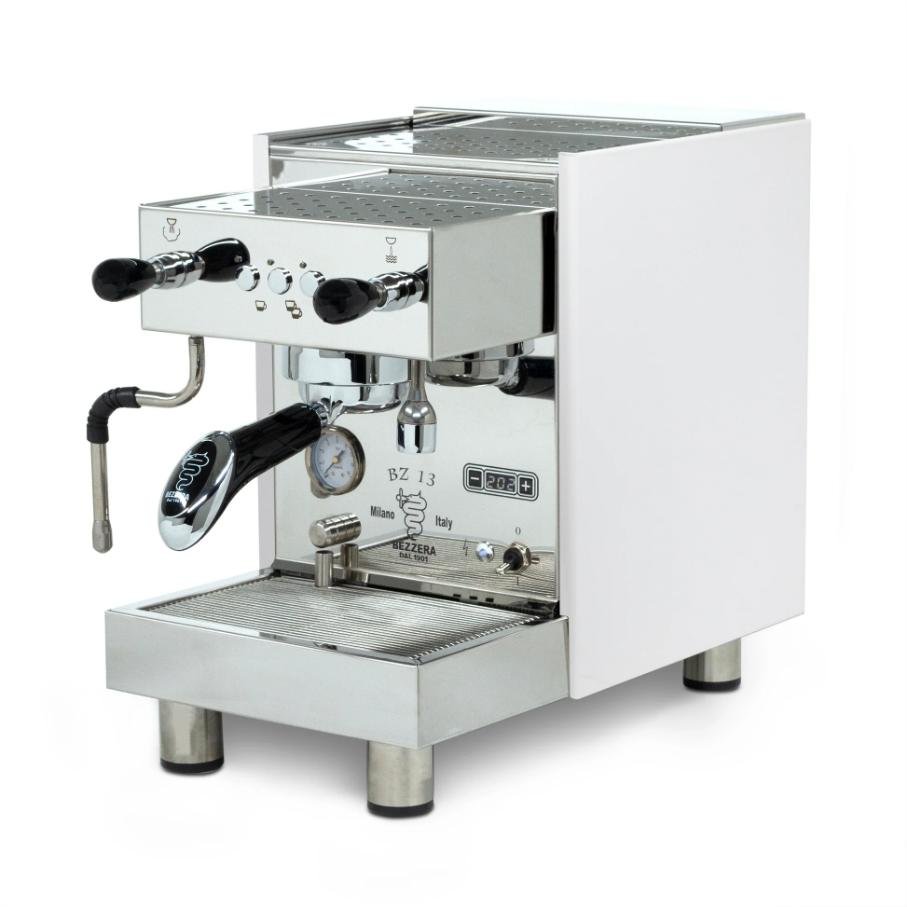
Bezzera BZ13 - Common Problems and Repairs
The Bezzera BZ13 is a compact prosumer heat-exchanger espresso machine with PID control, available in PM (manual) and DE (electronic dosing) versions. It offers fast heat-up and solid performance for home or light commercial use, but users commonly report issues related to its vibration pump, HX design, and maintenance sensitivity.
- Error 1.01 / Water Supply Issues (DE version): Frequent low water or supply errors, often due to false tank level readings, air in the lines, or pump problems.
- High Factory Brew Pressure: Machine ships with brew pressure set too high (11–13 bar), requiring OPV adjustment to reach ideal 9 bar, which can cause whistling or screeching noises.
- No Water from Group Head: Pump runs but no flow from the group, commonly caused by clogged shower screen, stuck brew solenoid, or scale in the heat exchanger.
- Group Head Blockage / Scale Buildup: Rapid clogging of the group head and shower screen if water treatment is not strict, leading to poor flow and channeling.
- Violent 3-Way Solenoid Exhaust: Strong back-pressure splash into the drip tray after each shot, sometimes causing mess or hose disconnection issues.
- Vibration Pump Noise & Pressure Loss: Loud pump operation with gradual pressure drop during long shots, typical of vibratory pumps under load.
- Steam Wand Limitations: Steam wand lacks sufficient reach/angle for comfortable milk texturing and loses power after a few drinks.
- Internal Hose Twisting / Leaks: Silicone hoses inside the machine can twist, kink, or pop off, restricting flow or leaking onto electronics.
- Electronic Dosing Problems (DE): Programmed shot volumes become inconsistent or fail to save after grind changes or power cycles.
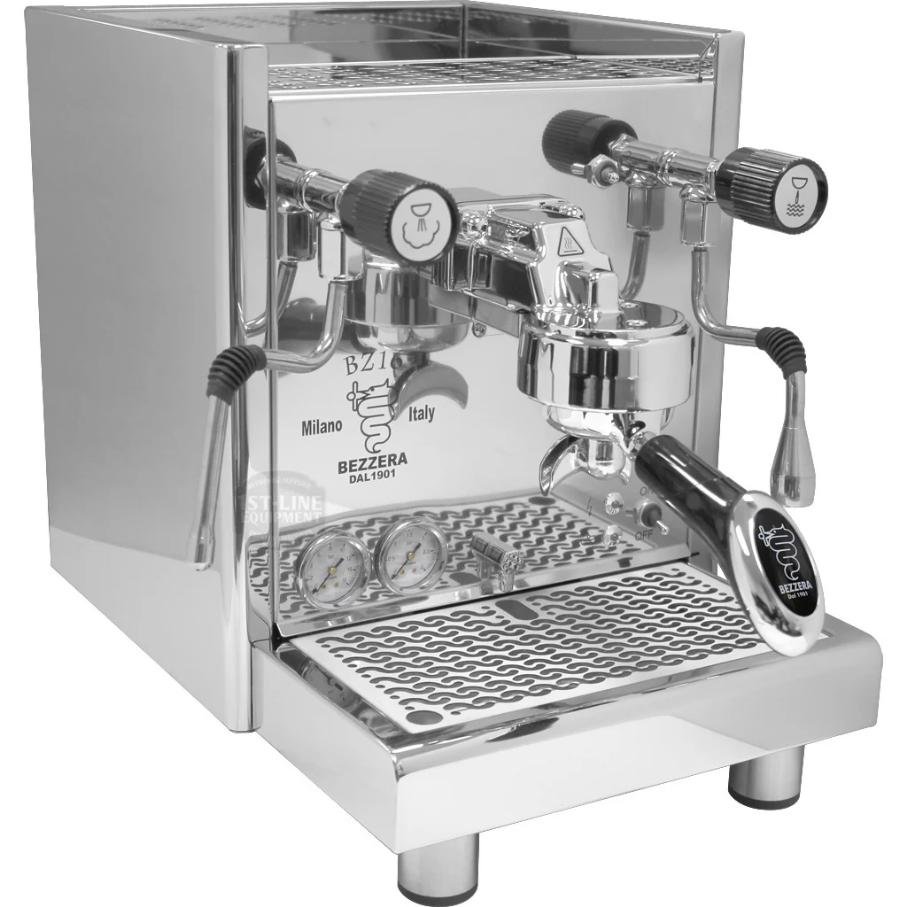
Bezzera BZ16 - Common Problems and Repairs
The Bezzera BZ16 is a compact commercial heat-exchanger espresso machine with volumetric dosing (DE version) or manual control (PM version), vibration or rotary pump options, and a group head heating element. It is designed for small cafés and serious home users, but can develop typical issues common to Bezzera HX machines under regular use.
- Level Probe & Filling Errors: Frequent flashing lights or auto-fill warnings, often caused by scale on the boiler level probe or faulty auto-fill solenoid.
- Volumetric Dosing Inaccuracy (DE): Programmed shots run too long, too short, or fail to stop properly due to scaled flowmeter or clogged group jets.
- No Flow / Low Brew Pressure: Pump runs but little or no water comes from the group head, commonly from clogged shower screen, scale in the heat exchanger, or stuck brew solenoid.
- Group Head Leaks: Water leaking around the portafilter or group head, usually from worn group gasket and shower screen that require regular replacement.
- Steam Wand & Hot Water Issues: Weak steam pressure, slow recovery, or dripping from the steam wand due to worn seals and O-rings.
- Heating Element Failure: Group head or boiler heating element burns out, especially in hard water areas with inconsistent descaling.
- Pump Noise & Pressure Problems: Loud vibration pump or gradual loss of pressure during shots, typical for vibratory pump models under load.
- High Initial Brew Pressure: Factory OPV often set too high (11–13 bar), causing whistling noises and requiring manual adjustment to 9 bar.
- Slow Heat-Up & Recovery: Extended time to reach stable brewing temperature, especially noticeable during busy service periods.
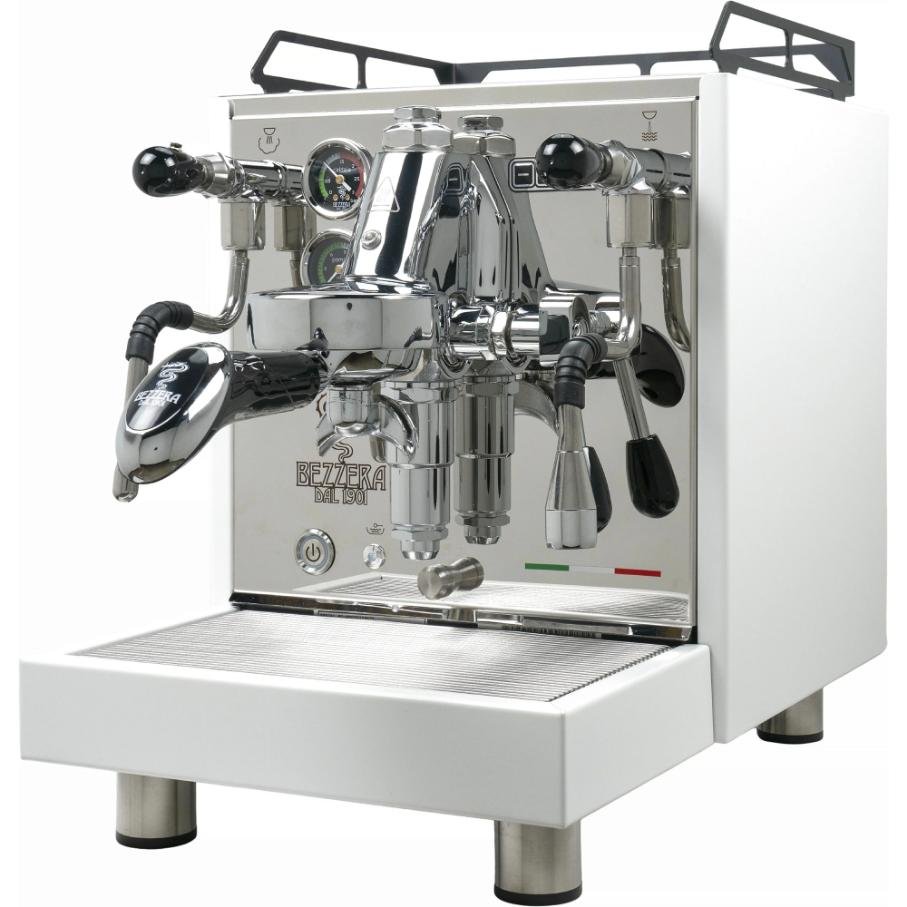
Bezzera Luce - Common Problems and Repairs
The Bezzera Luce is a modern compact heat-exchanger espresso machine with E61 group head, PID control, lever dosing, and a 2L boiler. Designed for home and light commercial use, it offers good performance in a smaller footprint but can develop typical issues common to Bezzera HX machines.
- High Factory Brew Pressure: Often ships with OPV set too high (11–13 bar), causing channeling, whistling noises, or harsh extractions until manually adjusted.
- Temperature Management (HX): Requires careful flushing technique due to heat exchanger design — shots can run too hot without proper cooling flushes.
- Group Head Leaks: Leaking around the portafilter or group head, usually from worn E61 group gasket or shower screen that needs regular replacement.
- Steam Wand Performance: Good initial steam but noticeable drop in power after a few milk drinks, with relatively slow recovery in the compact boiler.
- Level Probe & Auto-Fill Issues: Frequent filling alarms or false low water warnings caused by scale buildup on the level probe.
- Vibration Pump Limitations: Noisy pump with pressure fluctuations during longer shots, typical of vibratory pumps on home machines.
- Scale Sensitivity: The boiler and heat exchanger scale relatively quickly if water treatment is not consistent, affecting flow and temperature stability.
- Steam Wand Dripping: Persistent dripping after use, commonly due to worn O-rings or steam valve seals.
- OPV Adjustment Accessibility: While improved over older models, some users still find fine-tuning the brew pressure fiddly without removing side panels.
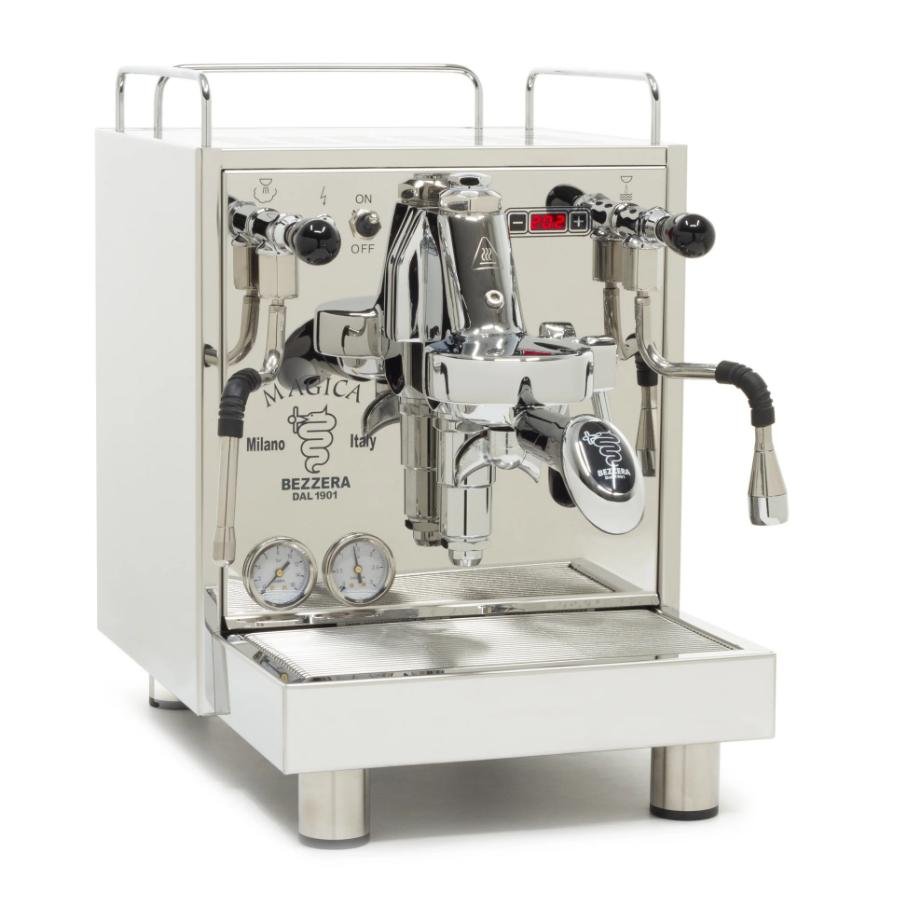
Bezzera Magica - Common Problems and Repairs
The Bezzera Magica is a popular dual-boiler prosumer espresso machine with E61 group head, PID temperature control, and lever or electronic dosing options. It is well-regarded for home and light commercial use, but it has some recurring issues reported by owners.
- E61 Group Head Leaks: Common leaking from around the group head or portafilter, usually due to worn group gasket, shower screen, or cam mechanism seals.
- PID Temperature Overshoot: Brew boiler frequently overshoots target temperature before stabilizing, requiring careful PID tuning.
- Slow Steam Recovery: Steam pressure drops significantly after 2–3 milk drinks and takes a long time to recover due to boiler sizing.
- Rotary Pump Noise / Vibration: The rotary pump can become noticeably loud or produce excessive vibration after 1–2 years of regular use.
- Level Probe & Filling Alarms: Frequent false low water or filling warnings caused by scale on the steam boiler level probe.
- Steam Wand Dripping: Persistent dripping from the steam wand after use, often from worn valve seals or O-rings.
- Electronic Dosing Drift (DE version): Programmed shot volumes become inconsistent over time, requiring frequent reprogramming.
- Scale Buildup in Dual Boilers: Both brew and steam boilers are sensitive to hard water, leading to reduced performance if descaling is neglected.
- Pre-Infusion Inconsistency: Manual or automatic pre-infusion (on some versions) can be uneven, affecting extraction consistency.
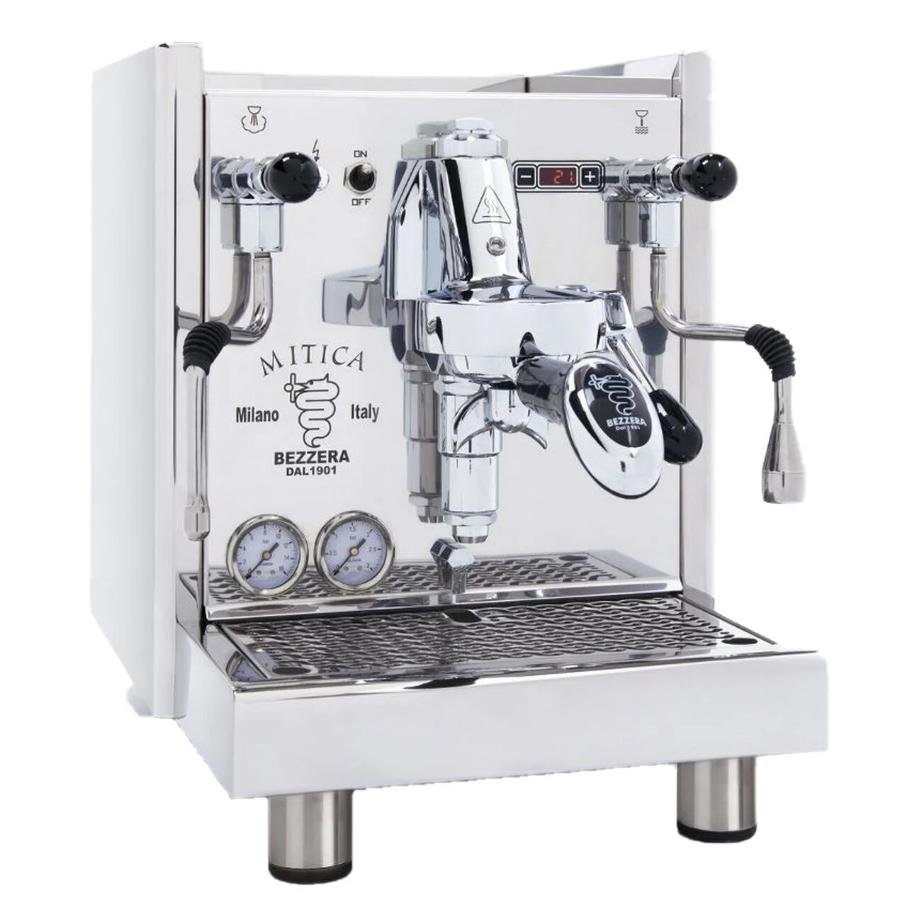
Bezzera Mitica Top - Common Problems and Repairs
The Bezzera Mitica Top is a premium dual-boiler prosumer espresso machine with an E61 group head, PID temperature control, rotary pump, and a distinctive top-mounted design. While it offers excellent build quality and performance, it has some recurring issues reported by users over time.
- E61 Group Head Leaks: Frequent leaking around the group head or portafilter, typically from worn cam mechanism seals, group gasket, or shower screen.
- PID Calibration Drift: Brew boiler temperature requires periodic recalibration as the PID tends to drift after several months of use.
- Rotary Pump Failure: Top-mounted rotary pump becomes noisy, loses pressure, or fails prematurely, especially if the machine is moved frequently.
- Slow Steam Recovery: Steam pressure drops noticeably after a few milk drinks and takes a long time to rebuild in the steam boiler.
- Level Probe & Auto-Fill Issues: Persistent filling alarms or false low water warnings due to scale accumulation on the steam boiler level probe.
- Steam Wand Performance Drop: Strong initial steam that weakens quickly during extended steaming sessions, affecting milk texturing consistency.
- Top-Mounted Pump Vibration: Excessive vibration transmitted through the machine chassis due to the elevated pump position.
- Group Head Pre-Infusion Problems: Inconsistent or weak pre-infusion on the E61 group, leading to uneven extractions if not manually managed.
- Scale Sensitivity in Dual Boilers: Both boilers scale relatively quickly if water treatment is not strict, causing reduced flow and temperature instability.
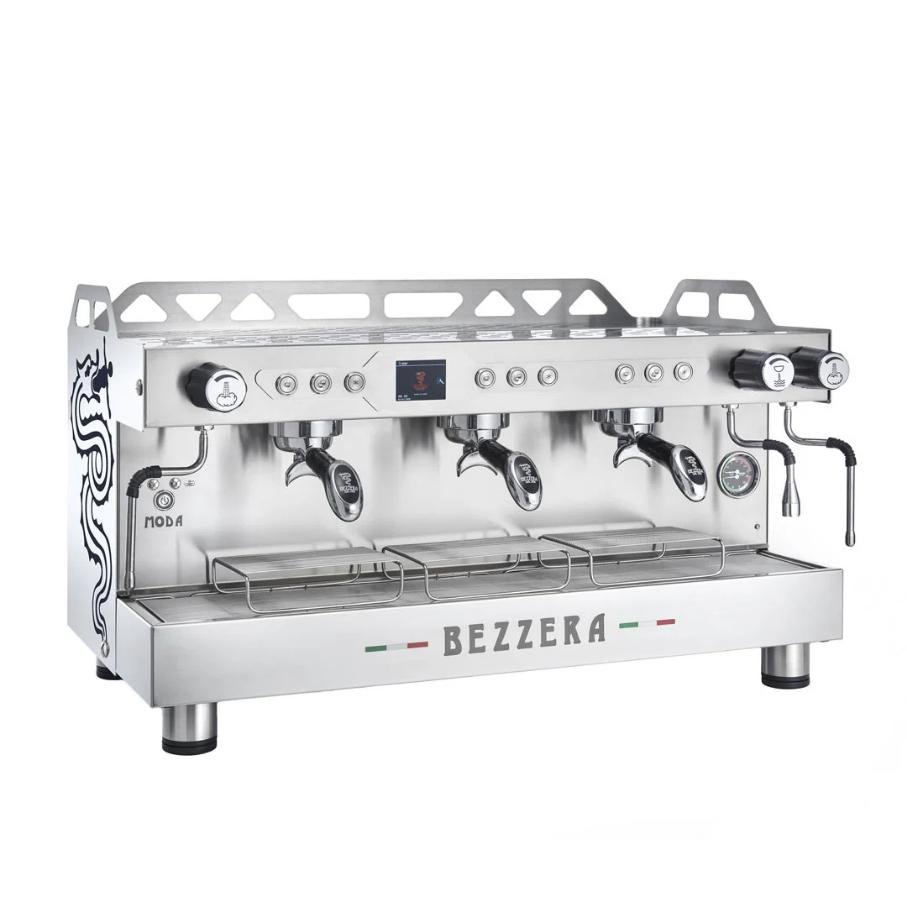
Bezzera Moda - Common Problems and Repairs
The Bezzera Moda is a modern commercial espresso machine range (available in 1, 2, and 3 group versions) featuring thermostatic group heads with individual heating elements, robust stainless steel construction, and designed for reliability in café environments. While built for heavy use, it can develop issues common to new-generation Bezzera commercial machines.
- Group Head Temperature Issues: Individual thermostatic group heating elements fail to maintain stable temperature or heat up slowly, especially on outer groups during peak hours.
- Volumetric Dosing Inaccuracy: Programmed shots run too long or too short, often caused by scaled flowmeters, clogged group jets, or hydraulic restrictions.
- Level Probe & Auto-Fill Alarms: Frequent boiler filling warnings or flashing lights due to scale buildup on the level probe or auto-fill solenoid problems.
- Group Head & Gasket Leaks: Leaking around the portafilter or group head, typically from worn group gaskets and shower screens under daily high-volume use.
- Steam Wand & Tap Leaks: Persistent dripping from steam/hot water taps, caused by worn O-rings and valve seals in the commercial steam system.
- Low Brew Pressure / No Flow: Pump runs but weak or no water from one or more groups, commonly due to clogged shower screens or scale in the heat exchanger/boiler circuit.
- Thermostatic Group Heating Failures: 100W group heating elements burn out or lose efficiency, leading to inconsistent brew temperatures across groups.
- Pump Pressure Problems: Vibration or rotary pump struggles to maintain consistent pressure during busy service, often from scale restrictions or air locks.
- Button / Control Panel Wear: Volumetric buttons and membranes become unresponsive or sticky after intensive daily café operation.
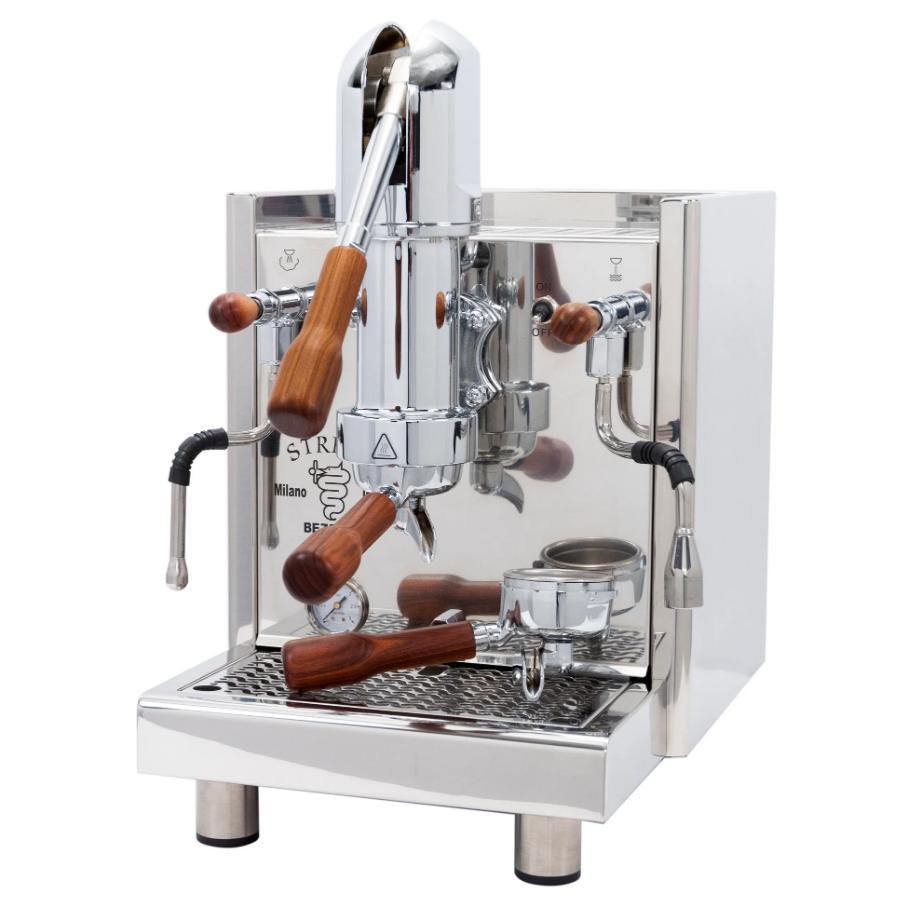
Bezzera Strega - Common Problems and Repairs
The Bezzera Strega is a distinctive lever espresso machine with a heat exchanger, manual spring-powered lever group, and direct mechanical control. It is appreciated for its classic Italian design and shot quality, but its lever mechanism and heat exchanger system lead to some specific recurring issues.
- Lever Mechanism Wear: The spring-loaded lever becomes stiff, loose, or fails to lock properly over time due to wear on the cam, bearings, and return spring.
- Heat Exchanger Temperature Control: Requires precise flushing routine — shots can easily run too hot or too cool without proper technique.
- Group Head & Lever Leaks: Water leaking from around the group head or lever shaft, commonly from worn seals, gaskets, or the lever piston O-rings.
- Weak or Inconsistent Pre-Infusion: Manual lever pre-infusion is difficult to control consistently, leading to variable extraction quality.
- Steam Wand Limitations: Good initial steam power but drops quickly after a few milk drinks with relatively slow recovery in the heat exchanger system.
- Vibration Pump Issues: Loud and inconsistent pump pressure during lever pulls, especially noticeable on longer shots.
- Scale Buildup in Heat Exchanger: Rapid scaling if water treatment is neglected, causing restricted flow and temperature instability.
- Portafilter Locking Problems: Difficulty locking the portafilter tightly or water bypass due to worn group head seals and mushroom piston.
- Lever Return Spring Failure: The main return spring loses tension or breaks, making lever operation heavy or causing the lever to drop unexpectedly.